• English
  • 简体中文
  • 繁體中文
  • Tiếng Việt
  • ไทย
  • Indonesia
Subscribe
Real-time News
Alphabet (GOOG.O) rose 5.4%.Nick Timiraos, the Feds mouthpiece: Three Fed officials who support raising interest rates arguably provided more reasons than most FOMC members did in Wednesdays statement or press conference. Logan reiterated her view from two weeks ago that underlying inflation, after adjusting for recent shocks, is close to 2.5%, which she sees as justification for a tighter policy stance.July 31 – A national conference on promoting grain and material reserves was held in Beijing on July 31. The conference emphasized that the entire system must unify its thinking and actions with the decisions and deployments of the Party Central Committee and the State Council, focusing on goals and tasks, highlighting key points, and grasping crucial aspects to solidly carry out all aspects of grain and material reserves work. First, efforts must be intensified to advance project construction. Second, efforts must be intensified to promote grain purchase, storage, and regulation. Adhering to a combination of market-oriented procurement and policy-based storage, various policy tools should be used in a coordinated manner to stabilize grain prices and ensure smooth sales for farmers. Third, efforts must be intensified to promote the development of the grain industry. The construction of grain storage and logistics facilities should be strengthened, "two new" projects in the grain sector should be actively promoted, the quality and efficiency of grain circulation should be improved, grain brand building should be vigorously promoted, and the National Whole Grain Action Plan should be implemented in depth. Fourth, efforts must be intensified to enhance the role of reserves. Fifth, efforts must be intensified to improve management levels. Sixth, efforts must be intensified to promote planning guidance and reform and innovation.U.S. Treasury Secretary Bessenter stated that the United States will actively pursue Iranian assets globally to ensure compensation funds are available for victims of Iranian-backed terrorism. The U.S. governments military and economic blockade measures against the Iranian regime will continue without easing.According to Hong Kong Stock Exchange documents, Beijing ESW Computing Technology Co., Ltd. has submitted a listing application to the Hong Kong Stock Exchange.

Oil Falls As Demand Concerns Intertwine With Tight Supply

Haiden Holmes

May 06, 2022 10:22

I2.png


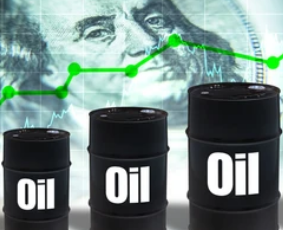
Oil prices fell at the start of Asian trading on Friday, as fears about an economic slowdown dampening demand for petroleum competed with concerns about additional European Union sanctions against Russia, including a crude oil embargo.


By 0015 GMT, Brent futures had down 37 cents, or 0.3 percent, to $110.53 per barrel, while US West Texas Intermediate (WTI) oil had fallen 33 cents, or 0.3 percent, to $107.93 per barrel.


The Bank of England cautioned Thursday that the UK faces a double whammy of recession and inflation exceeding 10% if interest rates are not increased by a quarter of a percentage point to 1%.


Meanwhile, Wall Street stocks fell as investors fled risky investments, fearful that the Fed would raise rates further this year to rein in inflation.


On the supply side, the Organization of the Petroleum Exporting Countries, Russia, and allied producers, collectively known as OPEC+, agreed to another small monthly rise in oil production, as predicted.


Ignoring Western countries' pleas to increase output further, OPEC+ decided to increase June production by 432,000 barrels per day, in keeping with its strategy to undo limitations imposed during the epidemic.


The EU sanctions plan, which requires unanimous support from the bloc's 27 member states, calls for the phase-out of Russian refined goods by the end of 2022 and the prohibition of all shipping and insurance services used to carry Russian oil.


A Senate subcommittee in the United States passed legislation that may expose OPEC+ to litigation for colluding in rising oil prices. For more than two decades, Congress has failed to enact variations of the legislation, but politicians are concerned about growing inflation and high fuel costs.