• English
  • 简体中文
  • 繁體中文
  • Tiếng Việt
  • ไทย
  • Indonesia
Subscribe
Real-time News
According to the Wall Street Journal, Chevron and other U.S. companies are close to reaching an agreement to invest billions of dollars in Venezuelan oil fields.Bank of England Monetary Policy Committee member Mann: Evidence suggests that interest rate decisions can have an immediate impact.Bank of England Monetary Policy Committee member Mann: The state of the US economy is having spillover effects on the UK.August 28th - Analysts and investors believe this speech will be an early test, observing whether Warsh is willing to adapt to an environment of growing concern about his policy plans. The Federal Reserve has now failed to achieve its inflation target for 65 consecutive months, and progress over the past year and a half has been very limited. Early in his tenure, Warsh repeatedly reiterated his commitment to achieving the Feds inflation target, but consistently failed to specify how, which has already sparked calls for the Fed to adjust its policy focus. EY-Parthenons chief economist, Gregory Daco, stated that Warshs previous statements have been very vague, and "people are worried about the Feds independence," as well as whether Warsh is reluctant to discuss potential interest rate hikes to avoid angering Trump and his administration. Daco said, "He has to be more careful in his communication, not giving the impression that the Fed might be coordinating and cooperating more with the Treasury, nor giving the impression that he is influenced by the presidents demands for rate cuts… These are not good signs for any new Fed chair." Warsh must carefully navigate his statements. Saying too much could trigger irreversible expectations, or at least make people uncomfortable; saying too little could damage credibility and hand over influence to other members of the Federal Reserve who can provide more detailed arguments. In either case, market volatility is likely.The Chicago PMI for August will be released in ten minutes.

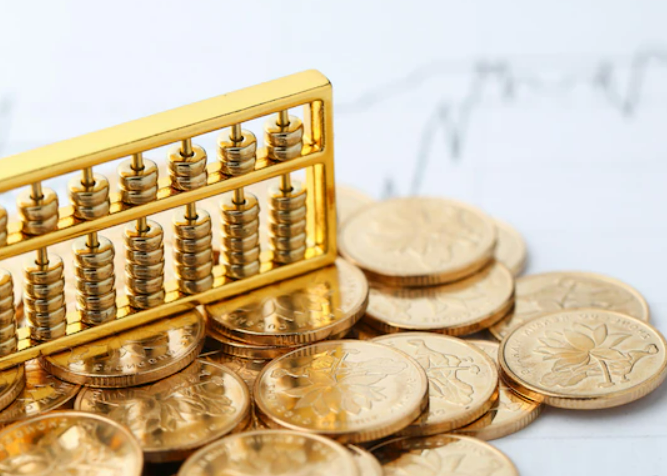
Gold And Copper Fall On Powell's Fed Pivot Disappointment

Haiden Holmes

Nov 03, 2022 15:01

g2.png


On Thursday, gold prices dropped, reversing recent gains, as harsh comments from Federal Reserve Chairman Jerome Powell dimmed expectations that interest rate hikes will end soon. Uncertainties surrounding China's departure of its zero-COVID policy also affected copper prices.


As expected, the Fed raised interest rates by 75 basis points (bps) and indicated that it was "very premature" to discuss halting further rate hikes.


Despite Powell's indication that future rate hikes may be smaller in magnitude, the central bank appears to have a longer way to go than previously expected in its tightening cycle. Powell remarked that the U.S. interest rate cycle will likely end with higher rates than anticipated.


This lifted the U.S. dollar and yields on U.S. Treasuries, but weighed on the metal markets.


As of 19:35 E.T., spot gold fell 0.2% to $1,632.45 per ounce, while gold futures fell nearly 1% to $1,634.60 per ounce (23:35 GMT).


Powell's comments indicated that pressure from a strong currency and high yields is expected to restrict risk appetite for an extended period of time.


However, this week's losses were largely offset by expectations that the Fed will impose a smaller rate increase in December. Traders have priced in a 62% chance of a 50 basis point increase at the next Fed meeting.


Rising rates have increased the opportunity cost of owning gold, resulting in this year's dramatic decrease in gold prices. This year, gold has lost most of its safe-haven status and appears to have failed as a hedge against inflation.


With persistently high U.S. inflation this year, it is anticipated that rising interest rates will impose near-term downward pressure on gold prices.


Copper futures were also influenced by a strengthening dollar, declining by 1 percent on Wednesday and trading near $3.4337 per pound on Thursday.


While speculations that the world's largest copper importer, China, planned to lift draconian COVID curbs boosted copper prices this week, the lack of official commentary on the matter stoked market worry.


In addition to China, copper markets must contend with a worldwide economic downturn brought on by rising prices and interest rates. This year, this theme carried considerable weight on the red metal.


Copper prices may grow in 2023 due to a tightening supply, especially if the impact of rising interest rates diminishes gradually.