• English
  • 简体中文
  • 繁體中文
  • Tiếng Việt
  • ไทย
  • Indonesia
Subscribe
Real-time News
The "Stay On" Camp: 1. Moodys: Expects the Fed to hold rates steady, with a rate cut unlikely in the short term. Holding rates steady this year is the baseline scenario. If inflation expectations continue to rise, a rate hike may be the next step. 2. Nomura: Expects the Fed to hold rates steady, with a reduced likelihood of a rate cut in the short term. Rates are likely to remain unchanged in 2026. 3. JPMorgan Chase: Expects the Fed to hold rates steady and for the remainder of the year to remain unchanged. The policy stance is likely to shift clearly from accommodative to neutral. 4. Wells Fargo: Expects the Fed to hold rates steady. A rate hike would require evidence of a significantly overheated labor market or a further deterioration in the inflation outlook. It is difficult to find justification for any action at this stage or in the foreseeable future. 5. BNY Mellon: Expects the Fed to hold rates steady. The statement is expected to suggest two-way risks to interest rates. The Fed is expected to remove its 2026 rate cut expectations, and there will be no rate cuts or hikes this year. Rate Cut Camp: 1. Goldman Sachs: Expects the Fed to hold rates steady and likely removes its previous forward guidance hinting at rate cuts; short-term rate hikes are unlikely, with rate cuts expected in June and December 2027. 2. UBS: Expects the Fed to hold rates steady and likely to formally abandon its dovish stance; still believes the Feds next move will be rate cuts, with 25 basis point cuts expected in March and June 2027. 3. Citigroup: Expects the Fed to hold rates steady, but with easing tensions in the Middle East driving down oil prices and a weakening labor market, expects the Fed to cut rates by 25 basis points in September, October, and December. 4. Commerzbank: Expects the Fed to hold rates steady and likely abandons its dovish language. Rate cuts are expected to begin around mid-next year, accumulating to 75 basis point cuts by the end of 2027. Rate Hike Camp: 1. Capital Economics: Expects the Fed to hold rates steady, with a high probability of two "insurance rate hikes" in December and early next year. 2. BNP Paribas: Expects the Fed to raise rates little before the November midterm elections, with the first rate hike likely in December at the earliest, and at a more moderate pace than in 2022. 3. Deutsche Bank: Expects the Fed to hold rates steady, maintaining its baseline assessment of keeping rates unchanged for the long term, but the risk of future rate hikes is rising. 4. PGIM: Expects the Fed to hold rates steady, with three rate hikes this year to curb overheating, three rate cuts in 2027, and one more in 2028, ultimately reaching a rate of 3.375%. Others: 1. Barclays: Expects the Fed to hold rates steady, with forward guidance wording likely to be removed from the statement to reduce implications for future rate cuts. 2. Bank of America: Expects the Fed to hold rates steady, with the statement likely to remove any mention of an accommodative bias and potentially adjust its description of job growth. 3. ANZ: Expects the Fed to hold rates steady, with the statement likely to remove any accommodative wording and reaffirm its commitment to achieving its 2% inflation target. 4. Mitsubishi UFJ: Expects the Fed to hold rates steady. The upcoming FOMC meeting is crucial, not because of policy changes, but because of forward guidance. 5. Investment management firm MFS: Expects the Fed to hold rates steady, potentially indicating a neutral monetary policy stance. Warsh may also make some changes, such as ceasing the use of the dot plot and reducing press conferences.Indonesias Ministry of Trade: From the demand side, global gold purchasing activity has slowed down due to continued volatility in international financial markets.The China Earthquake Networks Center officially reported that a magnitude 3.6 earthquake occurred at 13:11 on June 17 in Haixi Prefecture, Qinghai Province (37.86 degrees north latitude, 95.54 degrees east longitude), with a focal depth of 10 kilometers.According to a Reuters poll, 22 out of 35 economists expect the Indonesian central bank to raise its 7-day reverse repo rate by 25 basis points to 5.75% or higher on June 18.According to a Reuters survey, the Indonesian central banks 7-day reverse repo rate is expected to be 5.75% by the end of 2026 (previously expected to be 5.50%).

Fears of a recession cause oil to fall further

Haiden Holmes

Sep 16, 2022 11:03

6.png


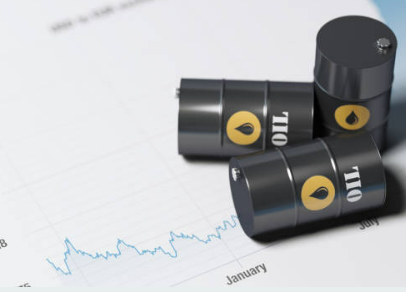
Oil prices dipped in early trade on Friday, extending the week's losses, as fears of rapid interest rate hikes choking the global economy and decreasing fuel demand outweighed worries over a shortage.


Brent oil futures decreased 22 cents, or 0.2%, to $90.62 a barrel as of 00:52 GMT, after plunging 3.5% to a one-week low in the prior session.


Futures for U.S. West Texas Intermediate (WTI) crude dropped 25 cents, or 0.3%, to $84.85 a barrel, following a decline of 3.8% in the previous session.


ANZ commodities analysts noted in a client note, "Crude oil fell as the market refocused on the weakening economic backdrop."


Both indices are on track for a third consecutive weekly decrease, slowed in part by a strong U.S. currency that makes oil more expensive for foreign purchasers. Friday saw a modest decrease in the dollar index, but it stayed close to last week's high of over 110.


This week, the market was also rattled by the International Energy Agency's prediction of a near-zero increase in oil demand in the fourth quarter due to China's dismal demand outlook.


"Oil fundamentals remain largely adverse as China's demand outlook remains uncertain and the inflation-fighting Federal Reserve appears prepared to harm the U.S. economy," said OANDA analyst Edward Moya.


According to observers, the mood was severely affected by the U.S. Department of Energy's remark that it was unlikely to seek to refill the Strategic Petroleum Reserve before fiscal year 2023.


On the supply side, the market has gained some support from declining expectations of a return of Iranian crude, as Western officials have downplayed the probability of resuming nuclear negotiations with Tehran.


This reinforced the estimate of Commonwealth Bank analyst Vivek Dhar that oil markets will tighten by the end of the year and Brent will return to $100 per barrel in the fourth quarter.