• English
  • 简体中文
  • 繁體中文
  • Tiếng Việt
  • ไทย
  • Indonesia
Subscribe
Real-time News
On March 2nd, Bank of Japan Deputy Governor Ryozo Himino gave no clear indication of a near-term interest rate hike, reinforcing financial markets expectations that the central bank will remain on hold in March. Following the outbreak of conflict in the Middle East last weekend, the market widely believed the Bank of Japan would maintain a wait-and-see approach. Himino stated, "I want to closely monitor the situation in the Middle East," a stark contrast to his comments in January, when he indicated the committee would discuss interest rate hikes at its upcoming meeting. Himino, who will hold a press conference this afternoon, said his prepared remarks were made before the weekend and therefore did not include his views on the Middle East situation. Himino stated that recent data "means the impact of a near-term rate hike remains limited, and financial conditions remain loose," suggesting there is still room for borrowing costs to rise. He also stated that underlying inflation is steadily rising and cited the Bank of Japans long-standing stance that it will continue to raise interest rates if its economic outlook is realized.Daiwa: Lowered its target price for Xiaomi Group (01810.HK) from HK$55 to HK$45.GFZ (German Center for Geosciences): A 6.05-magnitude earthquake struck the volcanic archipelago of Japan.March 2nd - Explosions were heard again in Kabul, the capital of Afghanistan, in the early hours of March 2nd local time. No official statement has yet been released. Similar explosions were heard in the air over Kabul on March 1st. A spokesperson for the Afghan Ministry of Defense stated that Kabul had launched air defense strikes against Pakistani aircraft.Tesla (TSLA.O): Teslas humanoid robot continues to iterate, and mass production of Cybercab is accelerating.

China's Yuan Is Riding High as Economy Recovers

LEO

Oct 25, 2021 14:05

人民币美元封面.jpg


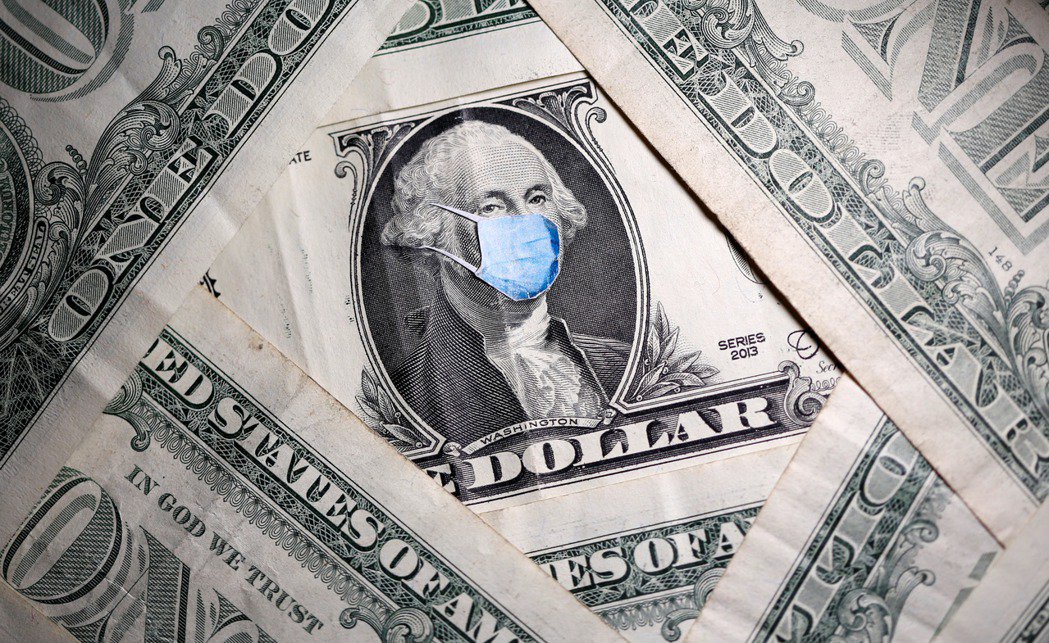
The yuan is closing out its strongest quarter against the dollar in more than a decade, boosted by optimism over China's economic outlook and by the country's comparatively high-interest rates.


From the start of July through Wednesday's close, the yuan has strengthened 3.9% against the dollar. That puts the yuan on track for its biggest quarterly gain since early 2008, FactSet data shows. 


人民币美元.jpg

Photo: CNBC


Why China's currency is crushing the greenback


China has brought COVID-19 under control. The U.S. and Europe have not.


Instead, the second wave of cases is crashing down on some of the largest "advanced" economies, bringing more death, lockdowns, and threats to faltering recoveries.


China's economy has rebounded strongly, as showcased by Monday's reveal of a 4.9% year-on-year pace of growth in the third quarter. Both the U.S. and Europe will record a contraction in growth in 2020.


And while U.S. and European central banks have run down their monetary ammo, cranked up the printing presses and begged bickering politicians for more stimulus, Beijing has delivered targeted stimulus and the PBoC has been constrained compared to its history of putting the pedal to the metal in past crises.


The International Monetary Fund forecast last week that China's GDP will grow 1.9% this year as the only major economy to expand in the wake of the coronavirus pandemic. Covid-19 first emerged in the Chinese city of Wuhan late last year, before accelerating its spread in the country, and subsequently overseas.


The IMF predicts the U.S. economy will contract 4.3% this year, with global growth falling by 4.4%.


Biden win could be bullish for the Chinese yuan


 A win for Democratic presidential nominee Joe Biden in the U.S. election next month could prove to be bullish for the Chinese yuan, analysts said.


A "balanced outlook" for the election "should reduce the risk premium" for the Chinese currency, analysts at Swiss bank Lombard Odier wrote in a report on Tuesday.


"We assume a Biden win that reduces some trading uncertainty," they said. "Biden's presidency could lead to a more rational approach to bilateral trade — even if his team could prove as hawkish on China as Trump's on other matters."


Under President Donald Trump's administration, the U.S. and China have levied billions of dollars worth of tariffs on each other's goods in a protracted trade dispute. Dropping those tariffs could lead to greater demand for Chinese goods and, correspondingly, the Chinese currency.


Republicans have largely embraced Trump's "America First" agenda, abandoning traditional party goals such as unfettered trade. Biden has slammed the trade war with China — saying that tariffs have hurt American businesses and consumers."


The Lombard Odier analysts acknowledged the uncertainty, saying they have not assumed that a Biden presidency will automatically spell a rapid reduction in those tariffs on Chinese goods.


"However, if this were to occur, it would constitute a bullish CNY surprise," they wrote, saying that the onshore yuan could potentially strengthen to 6.50 against the greenback.


Sim Moh Siong, a foreign exchange strategist at the Bank of Singapore, also said that there was still room for the yuan to appreciate further.


"The economy is bouncing back, and the pandemic is brought under control. I think China's broader recovery remains a bright spot relative to the slower growth in U.S. and Europe," he said, predicting that the yuan could strengthen to 6.55 against the dollar in a year's time.


Also, Sim noted that the People's Bank of China had signaled recently that it might not be comfortable with the yuan's current pace of appreciation.


Earlier this month, the central bank changed rules that made it cheaper for traders to short the yuan. Banks used to hold 20% of sales for some currency forward contracts, which essentially lock in the exchange rate for the sale of a currency on a future date. They no longer have to do so.


The central bank move appeared to be aimed at stabilizing the Chinese currency, according to its statement.